Self-study for a career in robotics: The first steps into the industrial world
Dreaming of a career where you create, program and control the machines of the future? Industrial robotics offers exactly that – a world full of innovation and unlimited opportunities. It's a profession that combines engineering thinking with creativity, and demand for specialists grows every day.
But how do you take the first step, especially if you're a beginner? The answer is self-study. To support you in developing the core skills, we offer you a guide that will point you toward the most widely used industrial robots in Europe, their programming languages and working environments. All you need is motivation and a desire to learn.
A look at the main players on the market
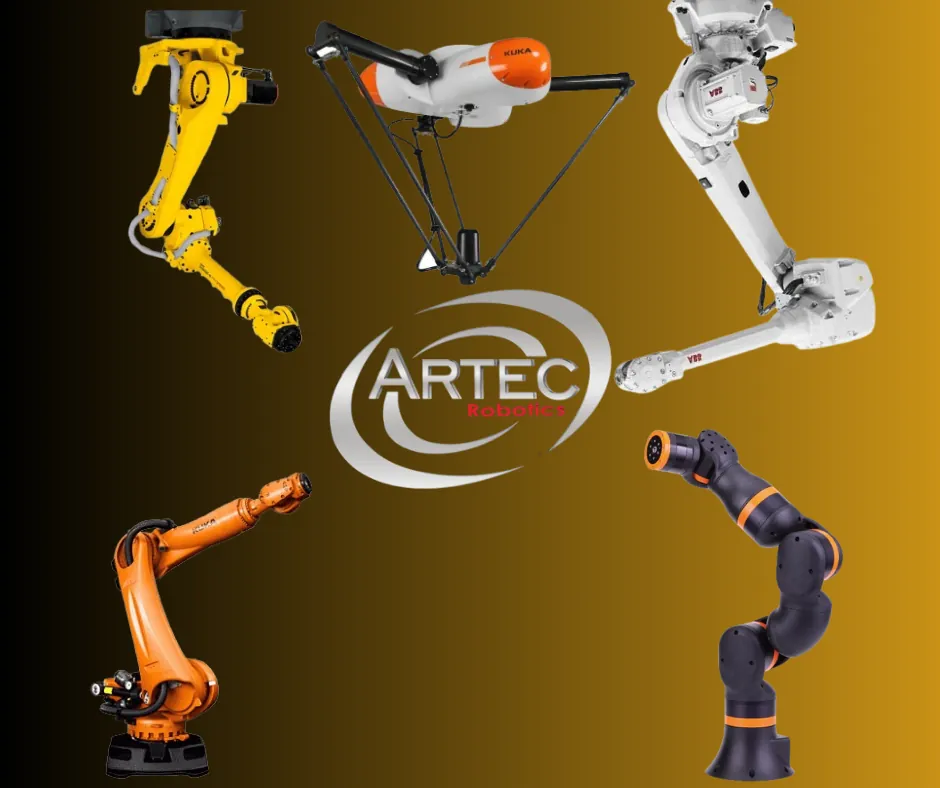
The most common robots in European factories are made by ABB, KUKA and FANUC. Each of them works with its own programming language, which is the key to controlling them. We recommend that you decide which model appeals to you most and focus on learning it.
Start with self-study: The languages of robots
- Profession: Industrial robot programmer
- How to become an industrial robot programmer – The first steps toward self-study (with useful video tutorials!)
ABB – The RAPID language
If you're a complete beginner, ABB's RAPID language is an excellent start. It's intuitive and relatively quick to learn. To get started, you can use the following resources:
- Beginner's guide: Programming ABB robots
- The RAPID language for ABB robots: A syntax guide
You can download the RobotStudio software from ABB's official website (https://new.abb.com/products/robotics/software-and-digital/robotstudio). It's important to know that it has a 30-day free trial, so we advise you to go through the video materials and build up your knowledge first, before installing it.
Useful video tutorials on YouTube:
- ABB Robot Tutorial: Introduction to Programming in RobotStudio
- ABB RobotStudio Tutorial 1: Jogging, Manipulate Views, and Motion Modes-Linear, Axis, and Reorient
KUKA – The KRL language
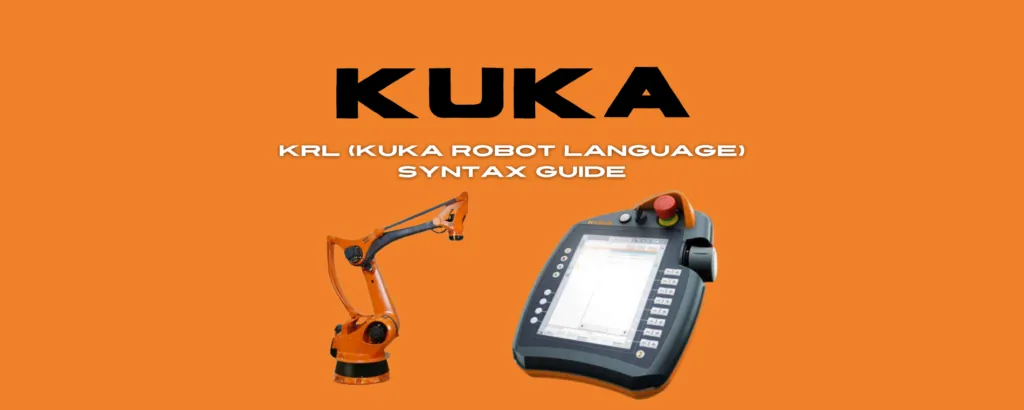
The KRL language for programming KUKA robots is also easy to learn and a great choice for beginners. Online you'll find plenty of free tutorials that will help you find your way quickly.
- Programming KUKA robots with the KRL language – Part 1
- A guide to the syntax of KRL (KUKA Robot Language)
- Orange Edit – A beginner's guide
- KUKA – Program basics
FANUC – The KAREL language
FANUC industrial robots are among the most widely used in the world, and the KAREL language is their heart.
- FANUC industrial robots – A beginner's guide
- A guide to the syntax of the KAREL language for FANUC robots
To practice offline, you can download the FANUC ROBOGUIDE software from the official website (https://www.fanucamerica.com/products/robots/roboguide), and you'll find useful video materials here:
Consolidate your knowledge and prepare for success
And once you feel confident in your knowledge, write us a cover letter and send your CV so we can get to know you. We'll then give you a backup of real projects so you can consolidate what you've learned and prepare for practical tasks. After that, we'll send you a questionnaire with tasks that lets us see your progress. If we see that you handle the tasks well and have good knowledge of programming one of the robot models, you may get the chance for us to invite you to a job interview.
The world of industrial robotics is exciting and full of opportunities. The first step is to begin – self-study is the key that will unlock the door to a promising and well-paid profession.
On the Artec Robotics “News” page you will find a variety of articles and guides on robotics and automation. Here you'll find useful information about the latest technologies, software solutions and programs. They will help you dive deeper into the world of industrial robots and automated systems.
Follow the news from Artec Robotics!
MAKE AN INQUIRY