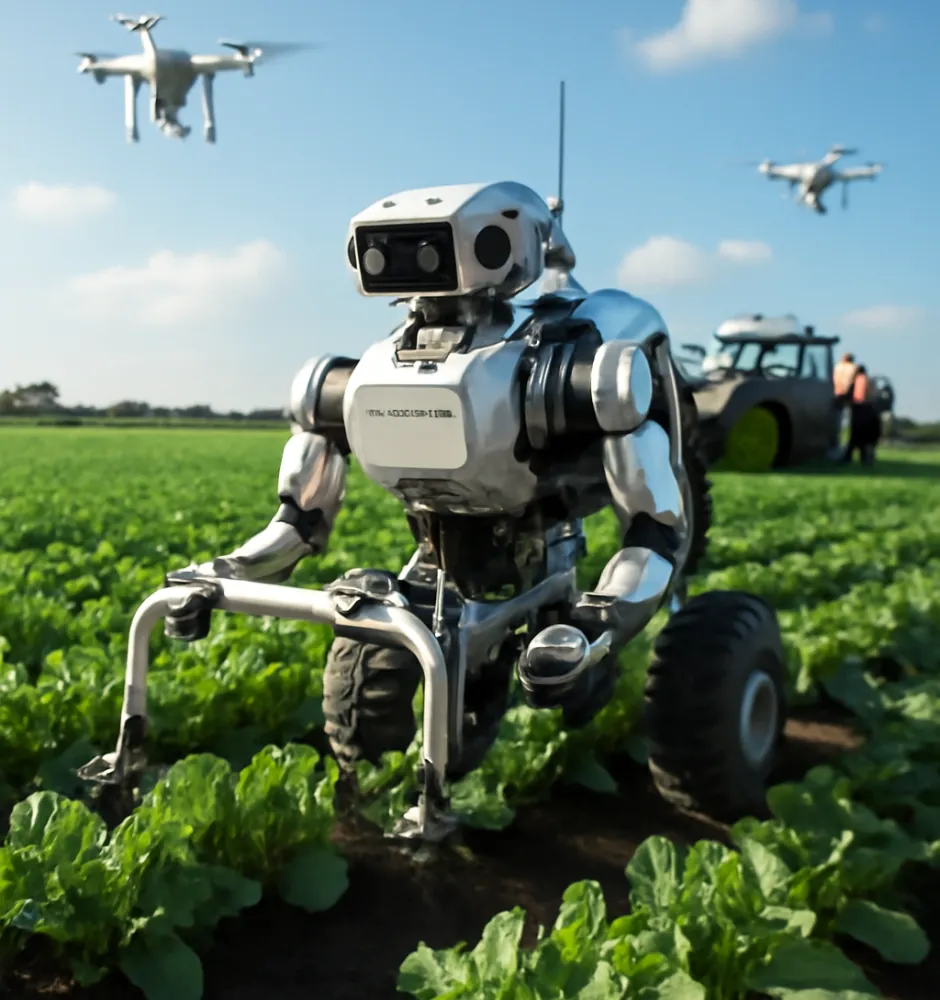
How automation and agricultural robots are transforming farming
Agriculture is fast becoming one of the most high-tech industries in the world. Modern technologies are revolutionizing the way we produce, harvest and distribute agricultural produce. Today, automation and robotization are not a luxury but a necessity for coping with the growing global demand for food.
Agricultural robots are key to overcoming labor shortages, automating tasks such as planting, weeding and harvesting, with a special focus on sustainability. Combining robots with precision technologies such as satellite imagery and data analysis systems increases efficiency and environmental protection in agriculture.
According to a UN report, the world's population will reach 9.7 billion by 2050, which will require 70% more food. In this context, agricultural robotics and remote monitoring applications are becoming fundamental to an efficient, sustainable supply chain.
A historical look: from the sickle to robots
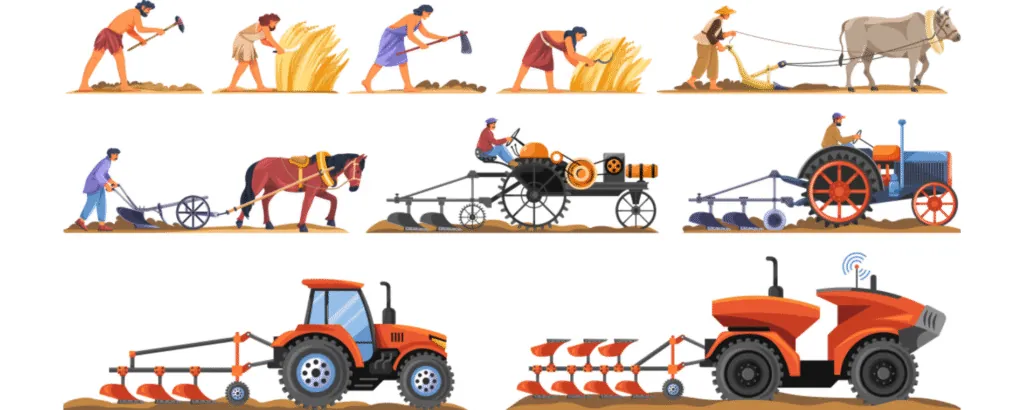
The history of agriculture is a history of continuous transformation.
- Antiquity and the Middle Ages – the first farmers used basic hand tools such as sickles and wooden plows drawn by animals. Later came windmills and watermills, which helped process grain.
- 19th century – the Industrial Revolution – the steam engine ushered in the era of mechanization. Farmers now had access to steam tractors and machines that reduced their dependence on human labor and animal power.
- 20th century – diesel tractors and combine harvesters – modern agricultural machinery came into widespread use. Sprayers, seed drills and harvesting machines sped up production and increased yields.
- 1950–1980 – first steps in automation – mechanized milking systems, automated irrigation and the first computer calculations for yield management were introduced.
- The 1990s – GPS and digitalization – tractors began using GPS for mapping and guidance. This marked the beginning of precision agriculture.
21st century – artificial intelligence and robots – today's technologies combine sensors, drones, robots and algorithms to turn every farm into a “smart system” that runs almost autonomously.
Smart machines on farms
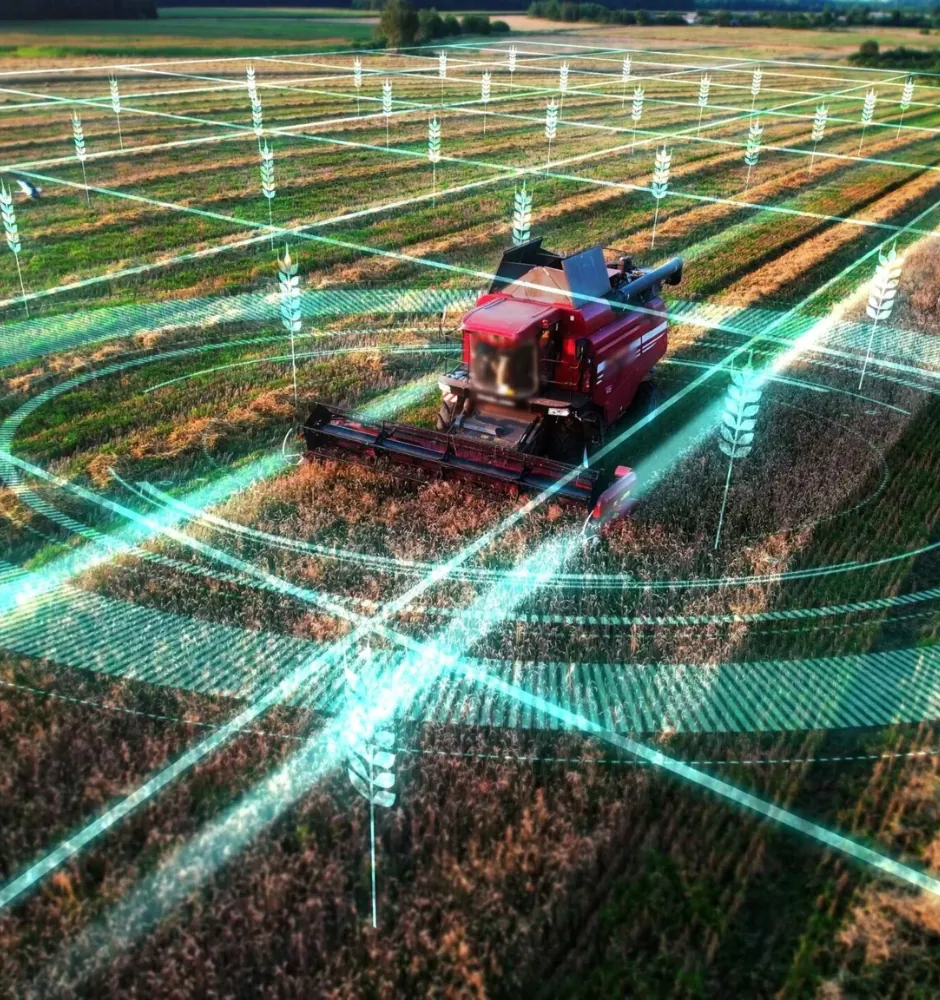
Today's equipment offers full accuracy down to the centimeter, and smart sensors monitor field conditions in real time. Farms are now connected through the Internet of Things (IoT), with every machine and device transmitting data for analysis. This lets farmers make decisions based on accurate data rather than guesswork, making agriculture more reliable and efficient.
Artificial intelligence and automated software systems can already:
- optimize crop planting, determining the best depth and spacing between seeds;
- remove weeds without chemicals, thanks to robotic arms and computer vision systems;
- manage water and nutrient resources, distributing fertilizer and water only where needed;
- reduce harvest losses, with robots that pick fruit and vegetables carefully and selectively.
In addition, modern machines can anticipate climate changes and adapt to them, reducing the risk of losses due to drought, floods or plant diseases. Some systems even use a combination of drones, satellites and sensors to build a 3D model of the field and show in real time which areas need attention.
This technological revolution lets farmers not only increase their yields but do so in a sustainable, environmentally friendly way. As a result, robots and automation are no longer just helpers but an indispensable strategic ally in modern agriculture.
How are robots changing precision agriculture?
Precision agriculture is based on managing every detail. Robots are used in a range of areas:
- Weed control – using computer vision, they remove weeds at the root without damaging the crops.
- Precision spraying – herbicides or pesticides are applied only where needed, reducing chemical waste.
- Drone monitoring – drones map fields, monitor plant health and help analyze soil conditions.
- Picking robots – carefully harvest fruit and vegetables, reducing losses.
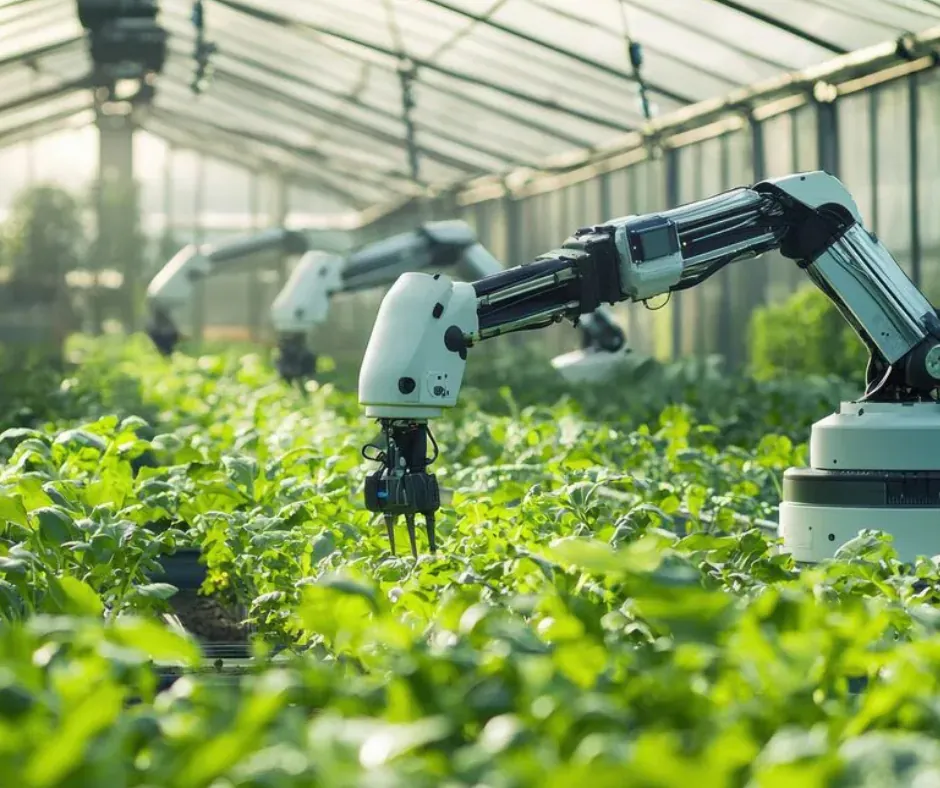
- Robotic greenhouses – fully automated systems manage watering and harvesting, saving water and eliminating pesticides.
- Livestock farming – milking and feeding robots work around the clock, providing better care for the animals.
Economic impact and sustainability
Robotization requires investment, but the benefits are significant:
- labor costs fall by 20–30%,
- yields increase by 10–30%,
- resources (water, fertilizer, pesticides) are used more efficiently, saving 15–25%,
- production cycles are shortened,
- errors are reduced by up to 70%.
In 2019 the agricultural robotics market was valued at $3.43 billion, and by 2027 it is forecast to reach $36.86 billion (CAGR: 34.5%).
Automation is also a path to sustainable agriculture – it reduces the use of chemicals, protects the soil and biodiversity, and creates a balance between production and protecting nature.
Conclusion
From the wooden plows of antiquity to robotic greenhouses and drones, the history of agriculture shows that technological progress is a constant driver of development. Today, automation and robotization not only solve the labor shortage but also guarantee more efficient, sustainable and profitable agriculture.
Smart farms are the future of the food industry – a combination of innovation, sustainability and harmony with nature.
On the Artec Robotics “News” page you will find a variety of articles and guides on robotics and automation. Here you'll find useful information about the latest technologies, software solutions and programs. They will help you dive deeper into the world of industrial robots and automated systems.
Follow the news from Artec Robotics!
MAKE AN INQUIRY