Technological progress that is shaping medicine
In the era of digital transformation, medicine is one of the fields undergoing the most dramatic changes. Among the innovations sparking excitement and hope are medical robots. These devices not only improve surgeons' precision but also give people with disabilities a new chance to regain their mobility. In this article we look at how robotics is revolutionizing surgery and rehabilitation, focusing on key examples such as the Da Vinci system and exoskeletons.
Robotic surgery: Precision that surpasses the human hand
The Da Vinci system – The gold standard
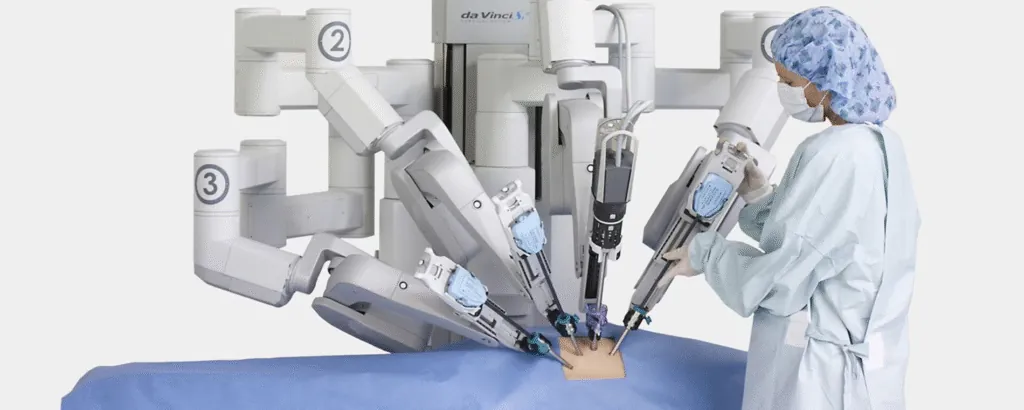
Developed by Intuitive Surgical, Da Vinci is the best-known robotic surgical assistant. It consists of:
- Four robotic arms (three for instruments, one for a 3D camera).
- A surgeon's console, where the doctor controls the robot's movements with high precision.
- An interactive interface that translates the surgeon's gestures into miniature movements with tremor reduction.
Advantages:
- Minimally invasive: Small incisions → faster recovery and lower risk of infection.
- 3D visualization: The camera provides a three-dimensional image of the surgical field.
- Greater freedom of movement: The instruments rotate 540 degrees, which is impossible for the human hand.
Applications: Urology, gynecology, cardiac surgery. In 2022 alone, over 1.2 million procedures were performed with Da Vinci worldwide.
New generations of surgical robots
- Versius (CMR Surgical): A compact robot for general surgery, designed for easy integration into operating rooms.
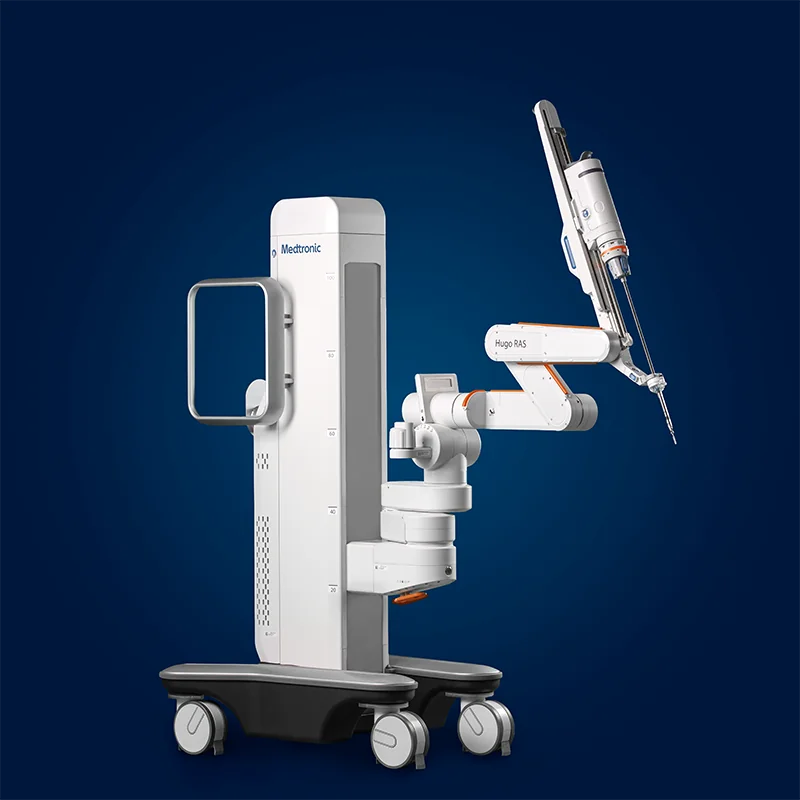
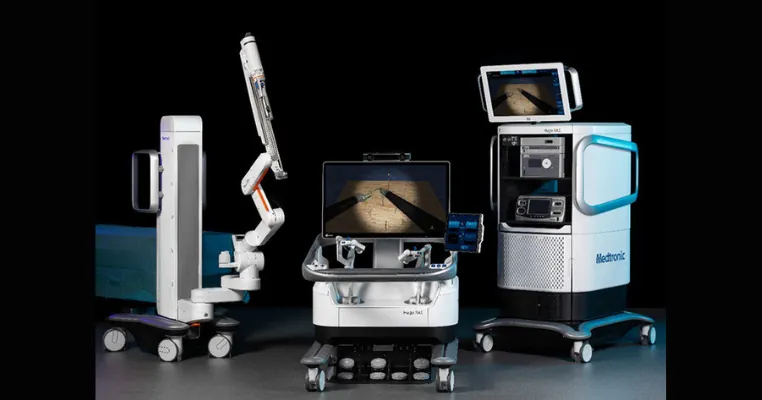
- Hugo (Medtronic): A modular design that reduces costs and allows customization.
Limitations:
- High price: The Da Vinci system costs over $2 million, plus annual maintenance costs.
Need for special training: Surgeons have to complete hundreds of hours of training.
Rehabilitation robots: Restoring movement
Exoskeletons – A step toward independence
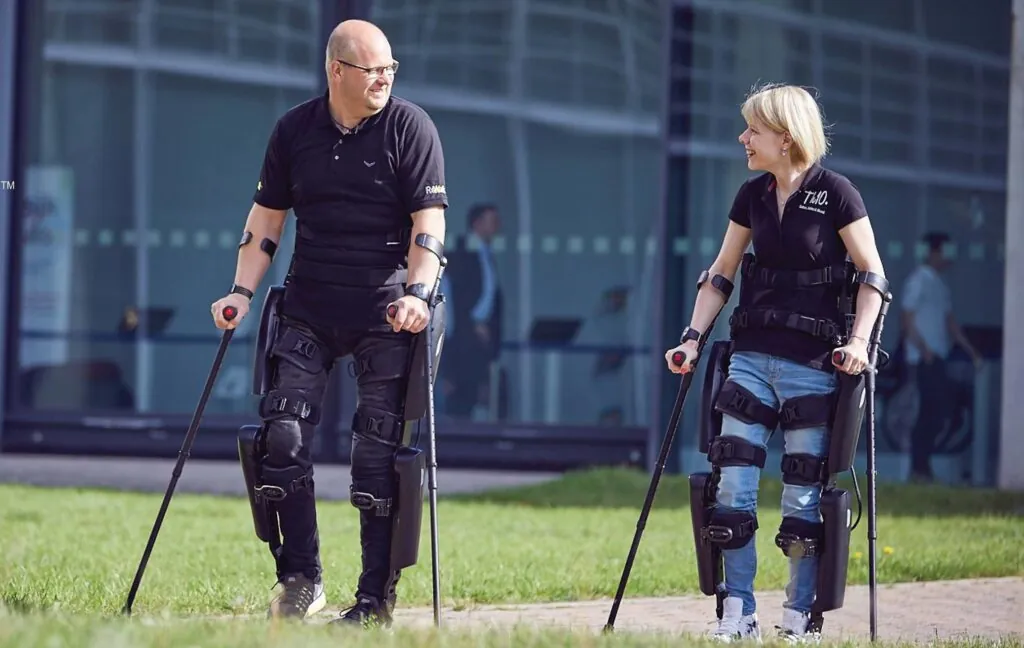
Exoskeletons are wearable robotic devices that help people with disabilities walk or restore muscle function. Examples:
- Ekso Bionics (EksoNR): Designed for patients with spinal cord injuries. Sensors analyze body weight and activate motors that assist each step.
- ReWalk: Lets users stand up, walk and even climb stairs. Used mainly by people with paraplegia.
- Hyundai Medical Exoskeleton (H-MEX): Focused on supporting patients with cardiovascular disease.
Scientific evidence: A 2021 study in Nature showed that using exoskeletons reduces the risk of depression by 40% in patients with chronic disabilities.
Robotic prostheses and therapy
- Prostheses with brain interfaces: For example, the LUKE Arm system allows control via myoelectric signals from the muscles.
- Neurological rehabilitation robots: Such as Lokomat – an automated treadmill that supports recovery after a stroke.
General advantages of medical robots
- Reducing human error: Algorithms anticipate risks (e.g. bleeding).
- Access to difficult areas: Mini robots can deliver drugs to specific organs.
- Telemedicine: Surgeons in the US can assist with operations in Africa.
Challenges and ethical dilemmas
- Affordability: Exoskeletons cost between $50,000 and $150,000 – out of reach for many.
- Dependence on technology: The risk of cyberattacks that could shut down systems during an operation.
- Ethical questions: Who is responsible when something goes wrong – the manufacturer, the surgeon or the software?
The future: AI, nanorobots and personalized medicine
- Integration with artificial intelligence: Robots such as IBM Watson Health will analyze data in real time during operations.
- Nanorobots for targeted treatment: Microscopic devices to destroy tumors without chemotherapy.
- Bioprinted tissue + robotics: Creating personalized organs for transplantation.
Medical robots are no longer science fiction but a reality that saves lives. Despite the challenges, their potential to improve quality of life is undeniable. As technology advances, new possibilities emerge every day – from miniature robot doctors to fully autonomous surgical systems. All that remains is for us to learn to use them wisely.
On the Artec Robotics “News” page you will find a variety of articles and guides on robotics and automation. Here you'll find useful information about the latest technologies, software solutions and programs. They will help you dive deeper into the world of industrial robots and automated systems.
Follow the news from Artec Robotics!
MAKE AN INQUIRY