Introduction
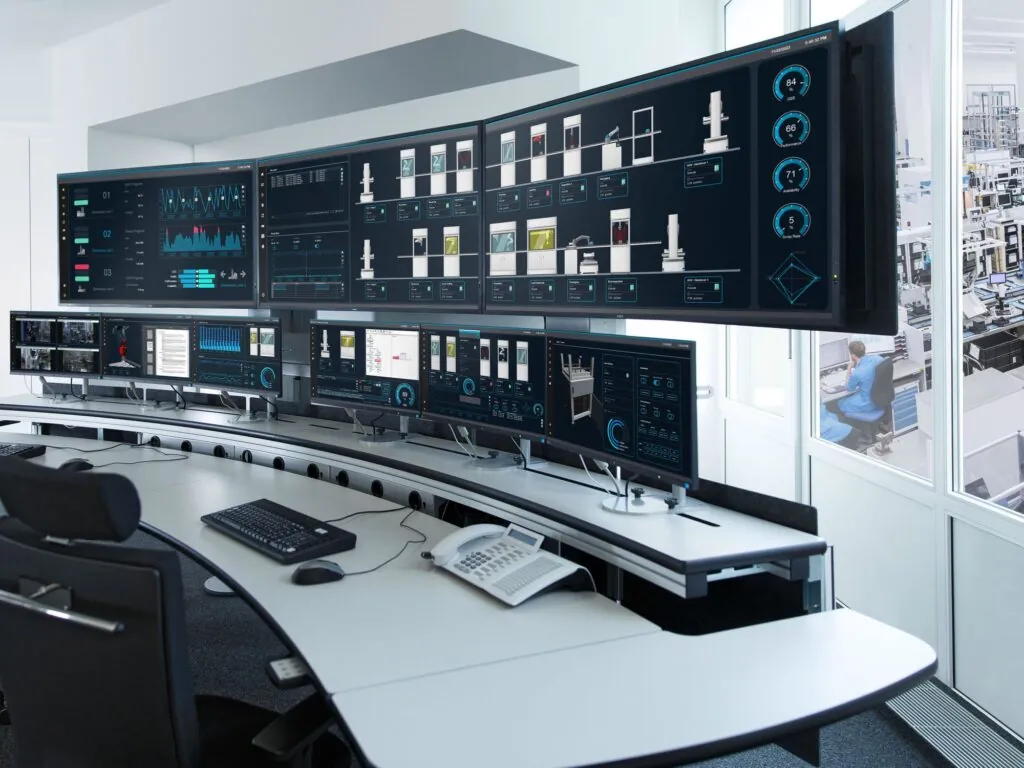
Industrial automation is the process of using technologies, systems and control tools to automate production processes and operations in industry. It aims to increase efficiency, reduce human intervention, improve product quality and optimize costs. In today's world, industrial automation plays a key role in the development of industries such as manufacturing, energy, pharmaceuticals, food and many more.
Basic concepts and definitions
- Hardware components:
- Sensors: Devices that collect data from the production process (temperature, pressure, humidity, etc.).
- Actuators: Motors, pumps, valves and other devices that execute commands.
- Controllers (PLCs – Programmable Logic Controllers): Specialized computers that control machines and processes.
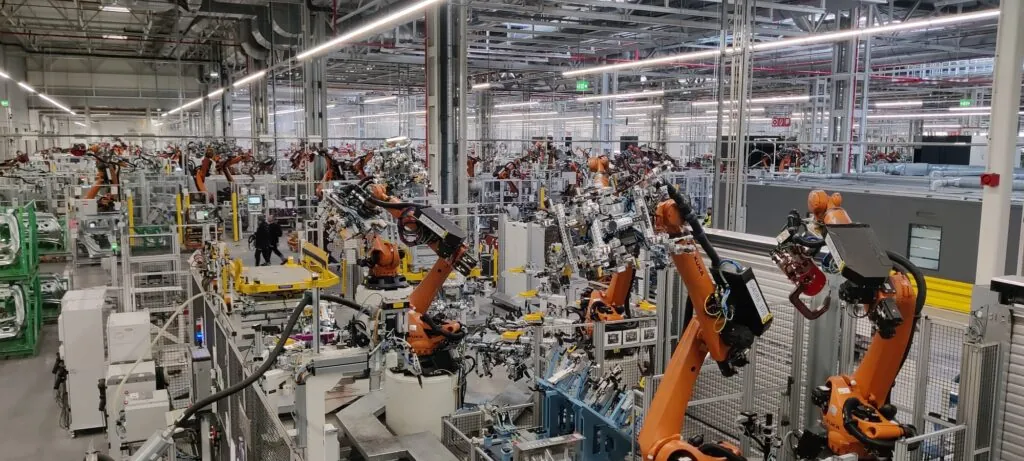
- Human-machine interface (HMI): Devices that let operators interact with the system (e.g. control panels).
- Software components:
- SCADA systems (Supervisory Control and Data Acquisition): Software for monitoring and controlling production processes.
- MES systems (Manufacturing Execution Systems): Software for managing production operations in real time.
- ERP systems (Enterprise Resource Planning): Software for integrated management of business processes.
- Communication technologies:
- Industrial networks: Ethernet, Profibus, Modbus and other protocols for connecting devices.
- Internet of Things (IoT): Connections between devices and systems for collecting and analyzing data.
Types of industrial automation
- Fixed (hard) automation:
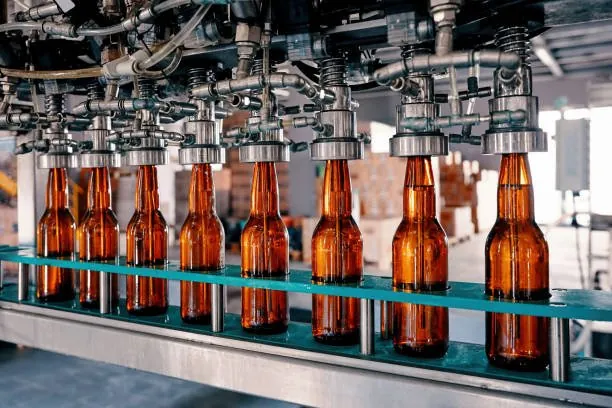
- Used for mass production of the same product. The systems are designed for a specific task and can't easily be reconfigured.
- Used for mass production of the same product. The systems are designed for a specific task and can't easily be reconfigured.
- Programmable automation:
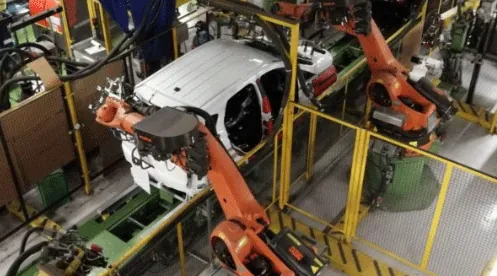
- Suitable for batch production. The equipment can be reconfigured for different tasks by changing the software.
- Suitable for batch production. The equipment can be reconfigured for different tasks by changing the software.
- Flexible automation:
- Allows equipment to be quickly reconfigured to produce different products with minimal loss of time.
- Allows equipment to be quickly reconfigured to produce different products with minimal loss of time.
- Integrated automation:
- Complete automation of the production process, covering every stage from design to product delivery.
Advantages of industrial automation
- Higher productivity: Automated systems work faster and with fewer errors.
- Lower costs: Reduced labor costs and material losses.
- Better quality: Constant process control leads to higher product quality.
- Greater safety: A lower risk of human error and accidents.
- Scalability: Easy adaptation to changing market requirements.
Challenges of industrial automation
- High initial investment: Automation requires significant financial resources to implement.
- The need for skilled staff: Working with automated systems requires specialized knowledge.
- Dependence on technology: Hardware or software problems can bring production to a halt.
- Cybersecurity: Automated systems are vulnerable to hacker attacks.
Conclusion
Industrial automation is a key element of modern industry. It not only improves the efficiency and quality of production but also opens up new opportunities for innovation and growth. Despite the challenges, the future of automation looks bright thanks to the development of technologies such as AI, IoT and robotics.
On the Artec Robotics “News” page you will find a variety of articles and guides on robotics and automation. Here you'll find useful information about the latest technologies, software solutions and programs that will help you dive deeper into the world of industrial robots and automated systems.
Follow the news from Artec Robotics!
MAKE AN INQUIRY