Manufacturing's invisible enemy
At the heart of the European economy is manufacturing – a complex network covering everything from the automotive and pharmaceutical industries to food processing and electronics. Yet this sector faces an invisible but extremely costly problem: unplanned downtime. These stoppages cause huge losses that erode the continent's competitiveness.
An overview of potential losses (2024)
Although it's hard to cite a single overall figure for the losses European manufacturing suffered in 2024 from unplanned downtime alone, expert estimates point to billions of euros a year. Traditionally, large industrial markets such as Germany, France and Italy bear the biggest share of these losses, since that's where production capacity is highest.
Despite the lack of a precise overall figure, data from 2024 shows other significant losses that indirectly affect production capacity and stability:
- Extreme weather: The summer heat wave of 2025 (according to available data) caused economic losses of 43 billion euros in Europe. Such events directly lead to unplanned stoppages in production and logistics.
- Cyberattacks: Although there is no overall figure, cyberattacks are classified as one of the main risk factors for European business, often causing days or even weeks of downtime at large manufacturing companies.
Key causes of stoppages
European industries are battling several main causes that make them vulnerable to downtime:
- Aging machinery and mechanical failures (Legacy Systems)
Outdated equipment is a major problem in industries such as food and beverage, textiles and packaging.
- Frequent breakdowns: Older machines are prone to frequent mechanical failures. This leads to unpredictable and long interruptions.
- Hygiene risks: In sectors such as food and beverage, outdated equipment can also increase hygiene risks and lead to entire production batches being rejected.
- Technological lag and cyber vulnerability
Many manufacturing plants still rely on outdated operational technology (OT). This makes them an easy target.
- Cyberattacks: Connecting machines without adequate protection exposes systems to cyberattacks. A single successful breach can stop an entire production line.
- Lack of integration: Isolated systems don't allow preventive maintenance. They eliminate the ability to predict failures in time.
- Regulatory compliance and recovery time
Sectors that require strict regulatory compliance face the toughest challenges after downtime.
- Long recovery period: In the chemical and pharmaceutical sectors, every stoppage requires long periods of validation and certification before restarting. This often extends downtime from hours to days or even weeks.
- Lost batches: When critical processes stop, entire production batches may have to be scrapped.
An additional challenge: qualifications and skills
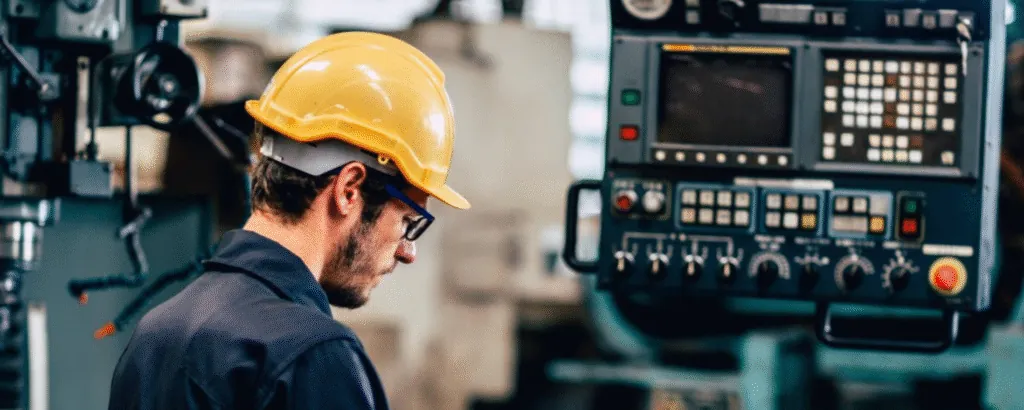
One often underestimated factor that deepens the problem of unplanned downtime is the lack of enough qualified staff to maintain complex equipment. As technology advances, the need grows for experts who understand both the mechanical and the software side of modern machines. Unfortunately, many companies in European industry are struggling to fill these positions. This means that even when a problem is detected, the time to respond and fix it increases significantly. European industry must invest seriously in retraining and education programs to build a sustainable future.
Recommendations for the foreseeable future: the road to resilience
To secure its competitiveness and minimize unplanned losses, European manufacturing must take strategic measures focused on digitalization and prevention.
- The move to predictive maintenance (Predictive Maintenance)
This is the most important step. Instead of waiting for a machine to break down, companies should use the Industrial IoT (IIoT) and AI.
- Deploying sensors: Installing vibration, temperature and pressure sensors. They monitor machine health in real time.
- Using AI: Artificial intelligence algorithms analyze the data. They can predict exactly when a failure will occur. This allows maintenance to be scheduled during planned breaks.
- Cybersecurity for operational technology (OT)
Production networks must be protected with the same care as IT networks.
- Network segmentation: Isolating production OT systems from the general IT network. This limits the damage from a potential cyberattack.
- Real-time monitoring: Deploying OT security monitoring systems. They detect anomalies that may precede an attack.
- Modernization and technology integration
Investing in new machines and software isn't just a cost but a strategic investment.
- Digital twins (Digital Twins): Creating virtual models of production processes. They allow changes to be tested and downtime to be simulated without risk to real production.
- Capital investment: Using European funds to modernize outdated equipment. This is a must for the food and textile sectors.
Unplanned downtime is the biggest invisible cost undermining Europe's competitiveness. The key problems facing European industry include aging machinery, growing industrial cybersecurity vulnerability and an acute shortage of qualified staff. To secure a sustainable future, European industry must urgently move to predictive maintenance (Predictive Maintenance) based on the Industrial IoT (IIoT) and AI. This strategic digitalization is the only way to reduce production losses and guarantee viability on a global scale.
On the Artec Robotics “News” page you will find a variety of articles and guides on robotics and automation. Here you'll find useful information about the latest technologies, software solutions and programs. They will help you dive deeper into the world of industrial robots and automated systems.
Follow the news from Artec Robotics!
MAKE AN INQUIRY