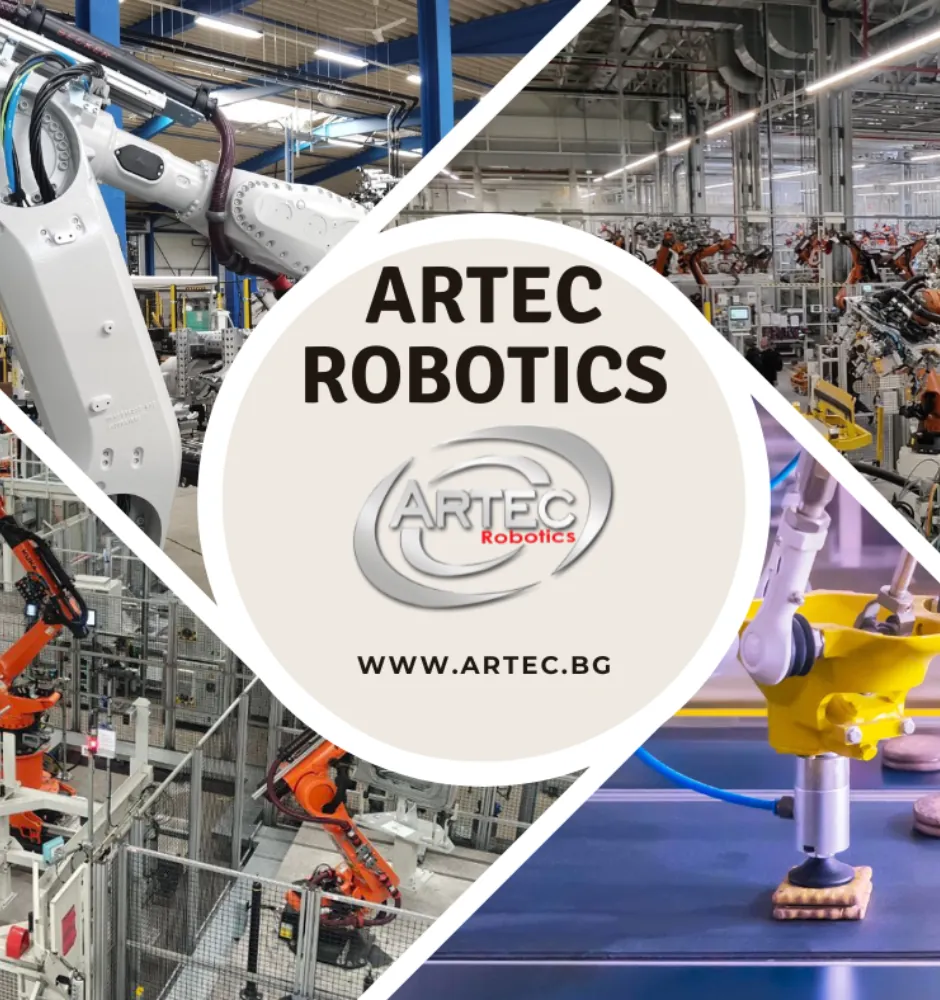
In today's dynamic manufacturing world, the question of how flexible automation should be is key to achieving an optimal return on investment (ROI). Automation is not a monolithic system; it covers a wide spectrum – from fixed, static systems built to carry out a single, repetitive task, to universal, flexible automation able to handle multiple tasks, product variations and changing production environments.
Which distinction matters in practice, and how do you choose the right process automation strategy for your company? Experts from 7robotics, Kawasaki Robotics and Addtronics Custom Automation (ACA) share insights that can shape your decision.
Fixed automation: Speed and volume
Fixed systems, or process-specific automation, are usually designed and optimized for maximum speed and throughput in a low-mix/high-volume environment. They're ideal if you produce the same product over and over, for example thousands of identical components, or carry out repetitive high-speed tasks such as traditional mechanical palletizing.
- Advantages:
- Exceptional speed and throughput.
- Less need for frequent intervention after start-up.
- Disadvantages:
- High upfront capital costs because of customization.
- Difficult and expensive to adapt to product or process changes.
- Often don't include robots (like traditional mechanical automation).
Flexible automation: Adaptability and versatility
At the other end of the spectrum is flexible automation, or general-purpose automation. These systems, often including industrial robots (including cobots), are reprogrammable and can easily be adapted to new models, sizes or product types. The most universal example is humanoid robots, but even industrial robots offer high adaptability.
- Advantages:
- High adaptability to changing production needs (e.g. weekly SKU changes).
- Ability to perform a wide range of tasks (e.g. pick and place).
- Greater returns when working with high-mix/low-volume products.
- Disadvantages:
- Slower cycle times and lower throughput compared with fixed systems.
- Higher expertise requirements and specialized programming.
Additional complexity in integration (EOAT – end-of-arm tooling, payload calculations, safety).
The key trade-off: Speed versus flexibility
The choice comes down to the trade-off between speed and flexibility.
- If the priority is maximum speed and volume for an unchanging product, fixed automation is the better choice.
- If your market demands a quick response and frequent adaptation to new products (even if that means 15-25% slower cycle times), a flexible robotic cell will deliver a better long-term return.
It's more useful to make the distinction at the application level:
- Specialized automation: Focused on specific processes such as welding or painting.
- General-purpose robots: Perform broader, general tasks such as pick and place.
Whether it's simple electromechanical automation or a complex industrial robot, your choice should match the company's long-term strategy, how much the product varies and the required cycle time. Flexibility adds complexity and requires expertise, but it provides vital adaptability in a fast-changing production environment.
On the Artec Robotics “News” page you will find a variety of articles and guides on robotics and automation. Here you'll find useful information about the latest technologies, software solutions and programs. They will help you dive deeper into the world of industrial robots and automated systems.
Follow the news from Artec Robotics!
MAKE AN INQUIRY