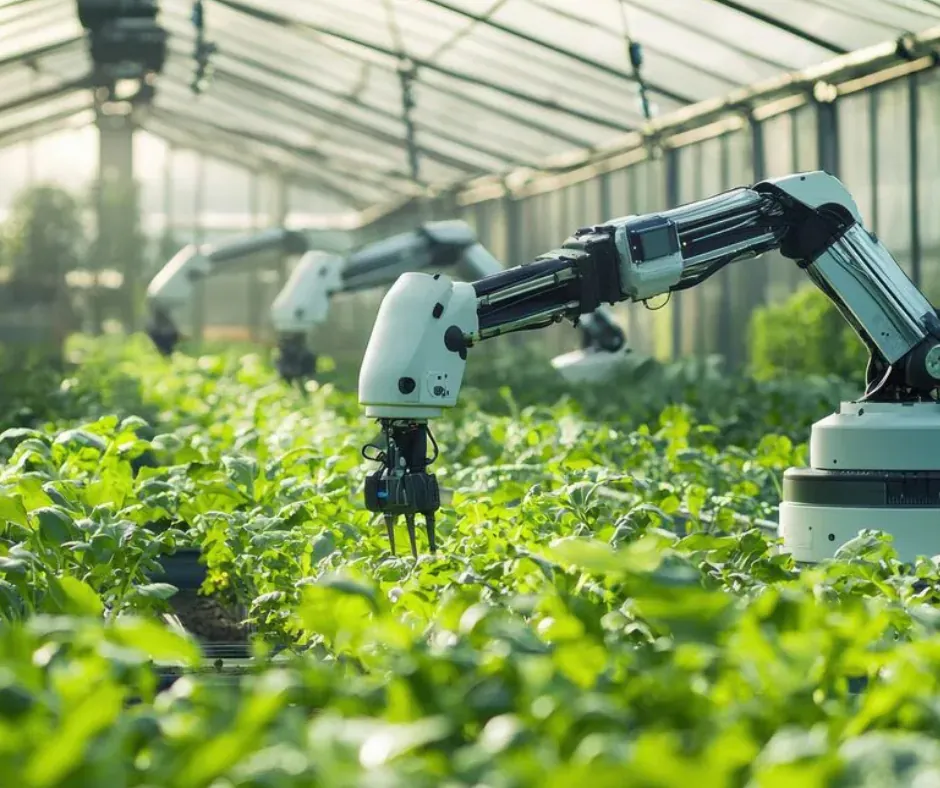
An in-depth study by the Massachusetts Institute of Technology (MIT)
In public debate you often hear the worry that automation is “stealing jobs”. But according to a new study by the Massachusetts Institute of Technology (MIT), the truth is far more complex: what matters isn't whether automation arrives, but exactly which tasks it automates.
This distinction is key, because the value of labor – measured in wages, demand for workers and expertise requirements – can rise or fall depending on the specific tasks the technology takes over.
Expertise is the key: The two sides of automation
- Automating non-expert (routine) tasks
When automation targets simpler, repetitive tasks, it has a paradoxical effect.
- The work becomes more specialized: The remaining work becomes more complex and requires greater expertise.
- The pool of specialists narrows: This leads to fewer suitable candidates, which increases the value of their labor.
- Wages rise: Although the number of people employed falls, the wages of the remaining specialists go up.
Example: Accountants With the arrival of computers for routine bookkeeping, employment among accountants fell. At the same time, however, their real hourly wages rose by almost 40%. Their work shifted toward analysis and advisory services that require expertise.
- Automating expert (specialized) tasks
The opposite picture is seen when automation replaces the more specialized parts of a profession.
- The profession becomes more accessible: Less experience and fewer skills are needed to enter the field.
- Competition increases: More people can fill the role, which leads to greater competition for jobs.
- Wages fall: This increased competition leads to lower pay, even though employment may rise.
Examples: Inventory clerks and taxi drivers Inventory clerks experienced exactly the opposite effect – their employment more than doubled, but their real wages fell by about 13%. GPS technology automated taxi drivers' key advantage – knowing the area. This makes the profession accessible to many more people, leading to lower wages but also many more drivers.
Strategies for businesses and workers in the age of automation
The results of this study have significant implications for both businesses and individual workers. Understanding this mechanism is key to managing change successfully.
- For employers: Understanding this mechanism is key to workforce management. If automation raises the wages of the remaining employees, companies can adapt through natural staff turnover. If, however, automation lowers wages and devalues roles, it can lead to bigger problems with recruiting and retaining staff. In such cases, different management interventions are needed, such as retraining or changes to the organizational structure.
- For workers: The conclusion is clear: adaptation is needed. Instead of fearing automation, people should aim to acquire skills that complement technology rather than compete with it. Investing in specialized expertise, creative thinking, problem-solving and interpersonal skills is more important than ever. The future of work belongs to those who can work in symbiosis with technology, focusing on tasks that require human intelligence and creativity.
Adaptation is the key to the future of work
The MIT study shows conclusively that the impact of automation on the labor market is far more complex than was thought. It breaks the myth that technology simply “wipes out jobs” and proves that automation doesn't destroy labor, it changes its value.
The main conclusion is that the future of a profession is determined by which tasks are automated – the routine ones or the expert ones. This difference is crucial for both workers and employers. Ultimately, the study gives us a clear framework for understanding the technological revolution. The question isn't whether machines will arrive, but how we will adapt to them. The future of work belongs to those who can work in symbiosis with technology, directing their energy toward tasks that require human intelligence.
On the Artec Robotics “News” page you will find a variety of articles and guides on robotics and automation. Here you'll find useful information about the latest technologies, software solutions and programs. They will help you dive deeper into the world of industrial robots and automated systems.
Follow the news from Artec Robotics!
MAKE AN INQUIRY