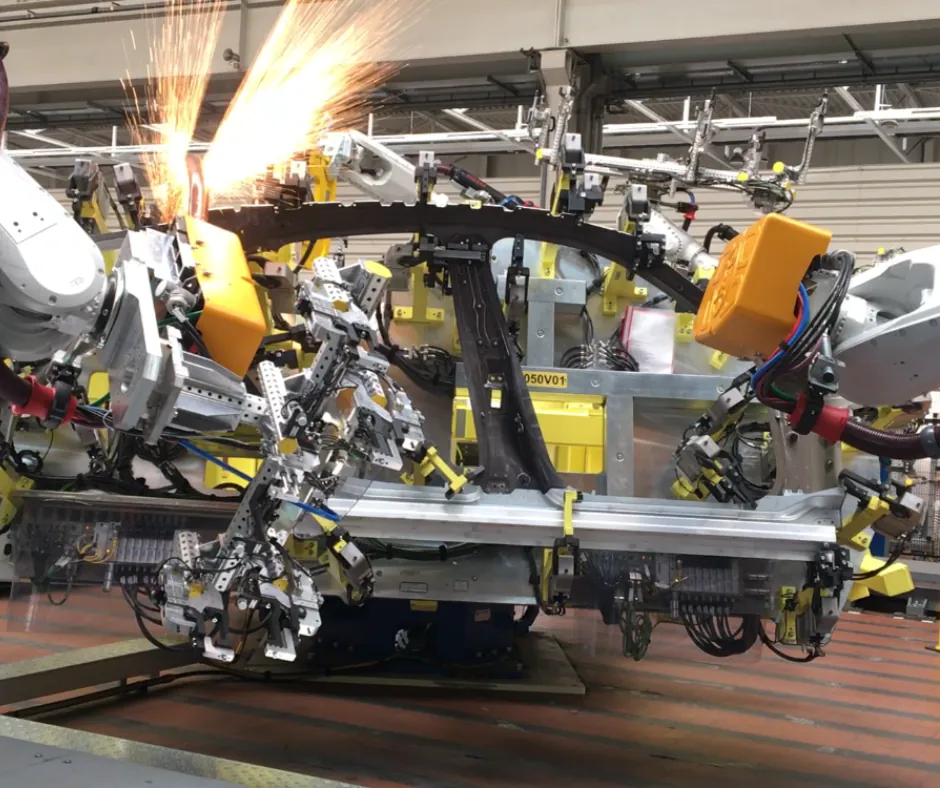
In modern industry, where sustainability is turning from an option into a necessity, manufacturing companies face the challenge of reducing their environmental footprint. At the same time, they have to maintain high efficiency and competitiveness. The solution to this complex problem often lies in innovative technologies such as industrial automation and robotics. Deploying robotic systems not only increases productivity but also contributes significantly to more sustainable manufacturing.
Precision that reduces waste
One of the biggest sources of waste in manufacturing is human error. Even small deviations in the process can lead to defective products that end up being thrown away. This is where the precision of robots comes in. They are programmed to perform repetitive tasks with exceptional accuracy and consistency, eliminating the human factor.
What does this mean in practice?
- Fewer rejects: Robots can carry out operations such as welding, painting, cutting and assembly with minimal deviations. This ensures that every product meets strict quality standards, which sharply reduces the number of defective items.
- Optimized use of raw materials: High precision allows optimal distribution of materials. Robots use the exact amount of raw material without creating excess waste. For example, in painting, robotic nozzles apply a coat of perfect thickness, which saves paint.
This resource optimization not only leads to cost savings for companies but also has a direct positive impact on the environment, reducing the amount of waste generated and the need for new raw materials.
Energy efficiency and optimized processes
Energy consumption is another key factor affecting the sustainability of manufacturing. Inefficient processes and constantly stopping and starting machines lead to wasted energy. Robotic systems are designed with energy efficiency in mind.
How does automation help?
- Lower energy consumption: Many modern robots are designed to consume less energy than older, less efficient machines. They can also run continuously, which eliminates the energy losses from frequent starting and stopping.
- Optimized workflows: Robots can be integrated into a complete automated production cycle where every stage is synchronized. This logistics and automation ensure there's no idling or unnecessary movement, which further reduces energy needs.
- Intelligent control: The software that controls the robots can be set to optimize work schedules, using periods with lower electricity rates where possible, and to manage power in real time to reduce peak loads.
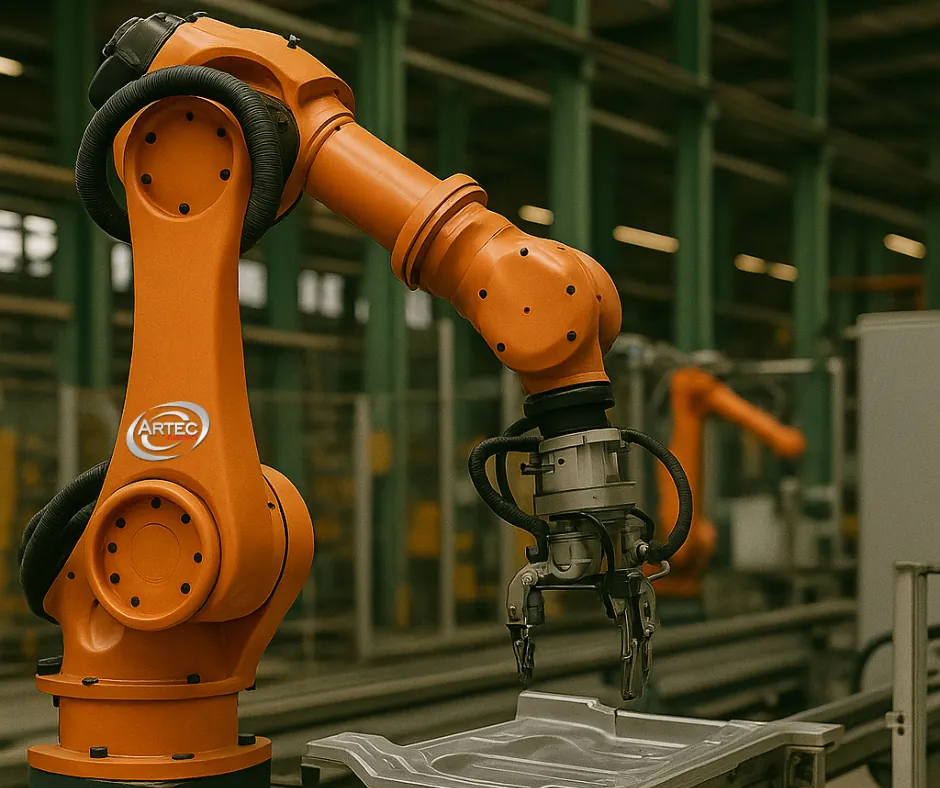
Deploying robotic solutions is a clear step toward environmentally responsible manufacturing. By increasing precision and optimizing processes, companies can significantly reduce waste and energy consumption. This not only improves their financial efficiency but also positions them as leaders in green manufacturing. The future of industry is sustainable, and automation is the key to achieving it.
On the Artec Robotics “News” page you will find a variety of articles and guides on robotics and automation. Here you'll find useful information about the latest technologies, software solutions and programs. They will help you dive deeper into the world of industrial robots and automated systems.
Follow the news from Artec Robotics!
MAKE AN INQUIRY