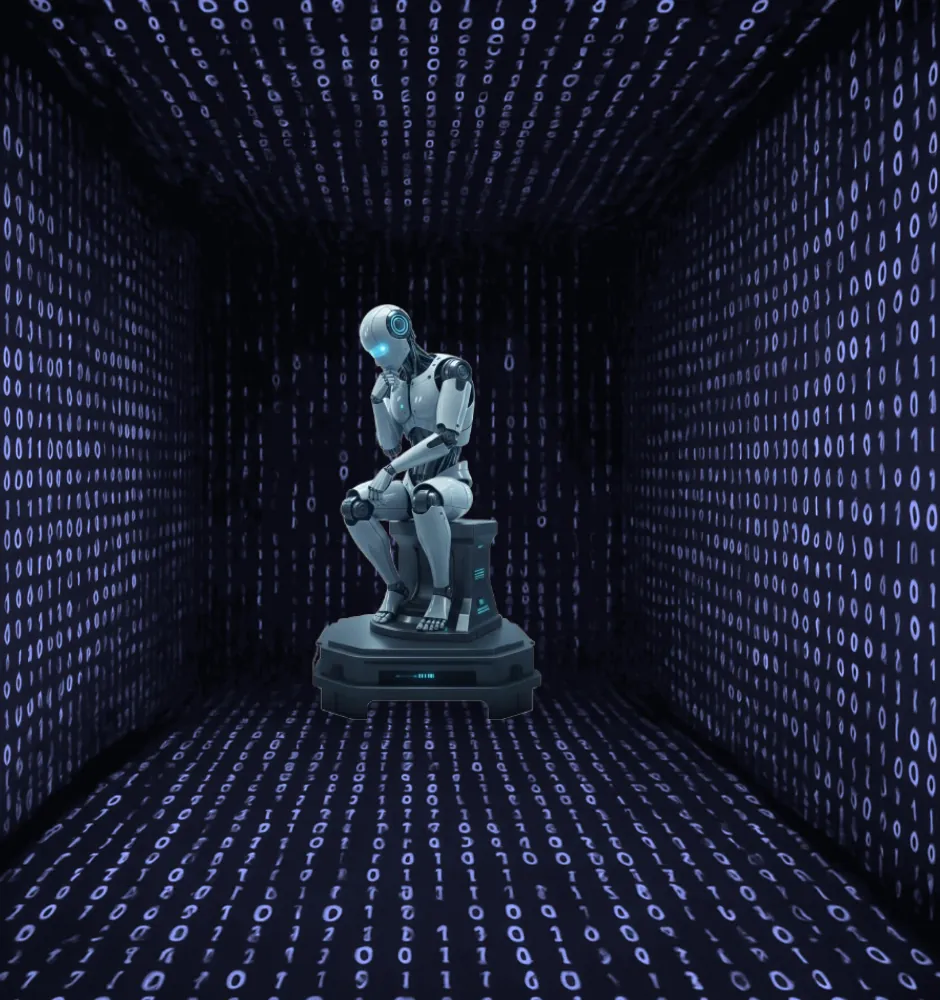
The era of Physical AI: How industrial automation is changing in 2026
The world of technology is developing at a pace that until recently looked like science fiction. In 2026 the boundary between software intelligence and physical action finally disappears. We are entering an era in which innovations are not just support tools but a leading factor in global competitiveness.
In this article we look at the fundamental changes in the sector and the reasons why traditional “smart machines” are no longer enough for modern manufacturing.
1. The rise of Physical AI
Until recently, artificial intelligence was focused mainly on processing data and generating text. In 2026 the focus shifts to Physical AI. These are new models trained not only on digital information but also on physical laws, motion and dynamic interaction with matter.
For industry, this means robots that don't require a strict, pre-programmed path. They use machine vision to perceive the part, understand its texture and weight, and decide autonomously how to handle it in real time. This marks the end of rigid automation and the beginning of an era of full production flexibility.
2. Agentic systems and autonomous decision-making
Automation is moving from simply executing commands to agentic behavior. Modern industrial systems already function as autonomous entities capable of:
- Self-diagnostics: Intelligently detecting potential component defects weeks before a breakdown occurs.
- Resource optimization: AI agents can independently adjust line speeds to minimize energy consumption without putting the schedule at risk.
- Integrated collaboration: Machines in the production environment now communicate directly with each other, optimizing logistics flows without outside intervention.
3. The humanoid wave in logistics and manufacturing
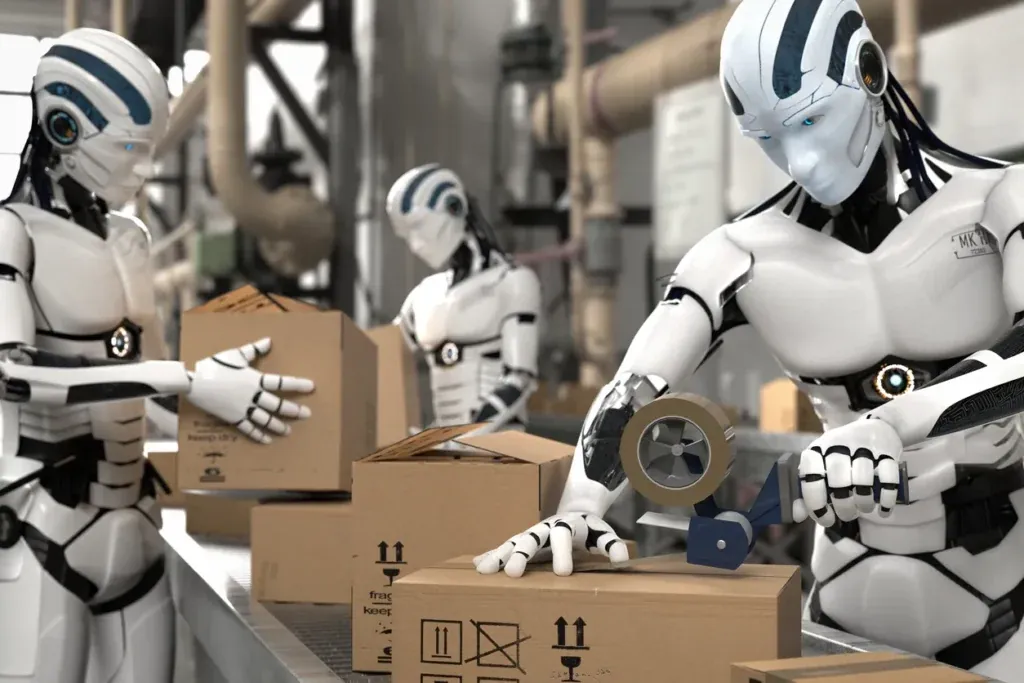
2026 is the year humanoid robots enter real working environments on a large scale. They are designed to operate in spaces built for people, which eliminates the need for costly infrastructure rebuilds. Advances in battery energy density and new drive mechanisms make them economically viable. While specialized robotic arms remain irreplaceable for high precision, humanoids are taking on the role of universal units for complex sorting and in-house logistics.
4. Industry 5.0: Synergy between human and machine
While the previous industrial revolution focused on connectivity, Industry 5.0 puts the emphasis on collaboration. Technology no longer aims to replace the human factor, but to enhance it:
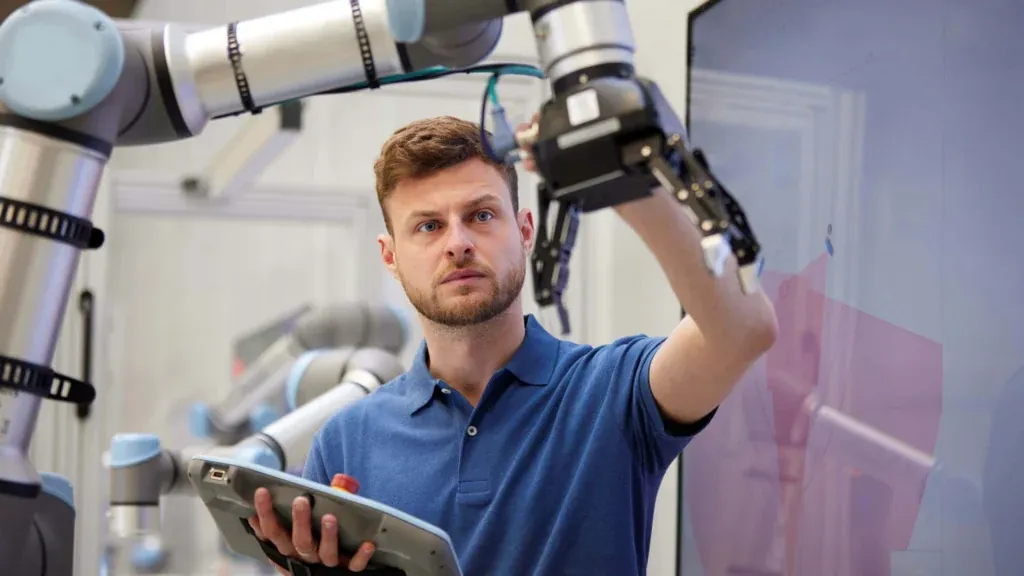
- Intuitive cobots: Collaborative robots are becoming easier to control through natural language or gestures.
- Industrial exoskeletons: These systems support employees' physical health during heavy operations, integrating them into the company's overall automated ecosystem.
5. Challenges: Cybersecurity and system integration
With greater connectivity, the risks grow too. In 2026, the security of operational technology (OT) is a critical priority. Protecting industrial networks from cyberattacks is an integral part of every engineering project. A key challenge remains integrating modern technologies with legacy systems, which requires a precise software approach and expertise.
The future of industrial automation is smarter and more connected than ever. The success of modern businesses depends on their ability to embrace these innovations as a strategic investment. The transformation to Industry 5.0 is not just a technological transition but a new way of achieving sustainability and efficiency on a global scale.
On the Artec Robotics “News” page you will find a variety of articles and guides on robotics and automation. Here you'll find useful information about the latest technologies, software solutions and programs. They will help you dive deeper into the world of industrial robots and automated systems.
Follow the news from Artec Robotics!
MAKE AN INQUIRY