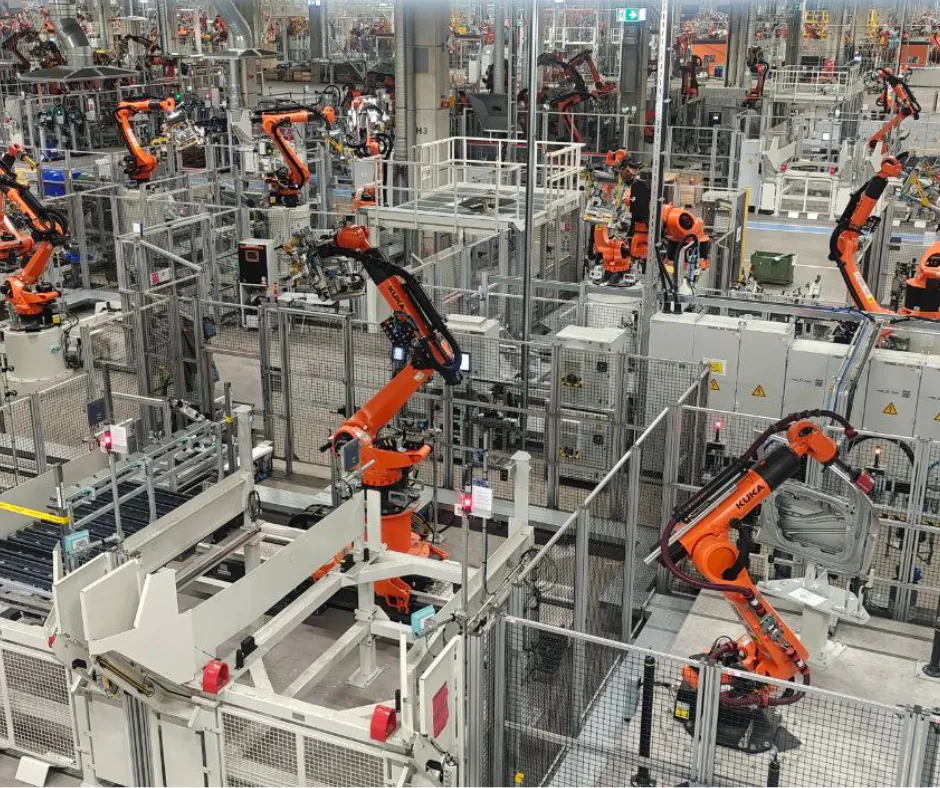
The era of smart factories
Today's industry is very dynamic. Efficiency, precision and adaptability are key. Industry 4.0 is changing factories from the ground up. Many innovative technologies are leading this revolution. Among them, digital twins are the most powerful and transformative. Factories are now entering digital transformation. Understanding digital twins is important. Deploying them is key to competitiveness. It's also how high operational efficiency is achieved.
What is a digital twin?
Put simply, a digital twin is a real-time virtual representation of a physical object, system or process. It isn't just a 3D model or a simulation, but a dynamic, constantly updated digital replica that reflects the exact state, behavior and characteristics of its physical twin.
Imagine a production machine, an entire assembly line or even a whole factory that exists both in the physical world and as a flawless copy in digital space. This virtual twin is fed real-time data from sensors attached to its physical counterpart – data on temperature, pressure, vibration, speed, energy consumption and many other parameters.
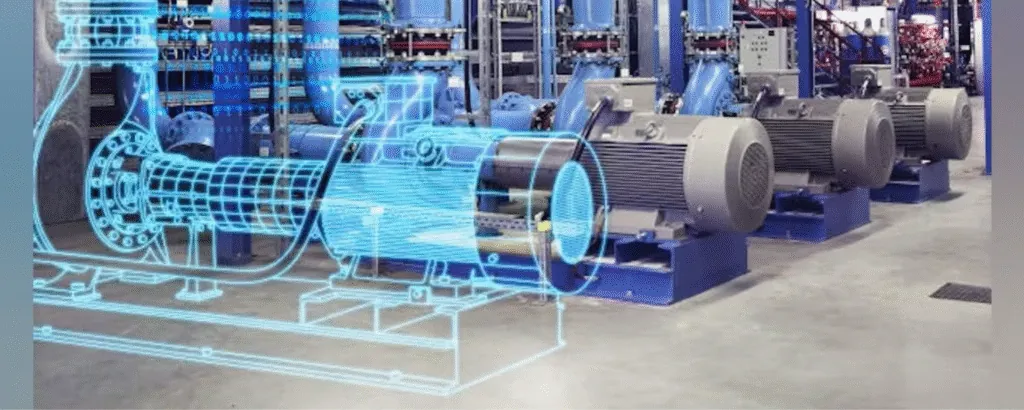
Digital twin architecture: Connecting the physical with the digital
Building a digital twin involves several key components:
- Physical object/system: This is the real machine, product or process we want to monitor and control.
- Sensors and IoT devices: These components collect data from the physical object. Sensors can be built into machines or retrofitted. The Internet of Things (IoT) plays a central role by providing connectivity and data transmission.
- Connectivity: Reliable network protocols (such as Wi-Fi, Ethernet, 5G, LoRaWAN) ensure a seamless flow of data from the sensors to the digital platform.
- Digital twin platform: This is the software core that receives, processes and stores the sensor data. It creates and maintains the virtual model and enables visualization, analysis and simulations.
- Data analytics and AI/ML: The collected data is analyzed using artificial intelligence (AI) and machine learning (ML) algorithms. This makes it possible to identify anomalies, predict future events (e.g. equipment failure), optimize processes and make informed decisions.
- Visualization and user interfaces: The digital twin is presented through intuitive dashboards, 3D models and interactive interfaces that let operators and managers monitor and interact with the virtual object remotely.
The benefits of deploying digital twins in factories
Deploying digital twins offers factories many strategic advantages, leading to significant improvements in operational efficiency and profitability:
- Real-time remote monitoring and control
- Continuous overview: Management gets access to up-to-date data on machine performance, the state of production lines and overall operational metrics, even when they're not physically in the factory.
- Fast response: Anomalies or faults can be identified instantly, allowing a quick response and minimizing downtime.
- Predictive Maintenance
- Beyond preventive maintenance: Instead of performing maintenance on a schedule (when it may not be needed) or after a breakdown, the digital twin predicts when a component is about to fail.
- Cost reduction: This leads to optimized maintenance schedules, fewer unexpected breakdowns, longer equipment life and substantial cost savings.
- Optimizing production processes
- Identifying “bottlenecks”: Through simulations and data analysis, the digital twin helps uncover inefficiencies in the production flow.
- Higher productivity: Being able to test different scenarios virtually, without affecting real production, allows rapid optimization and higher productivity.
- Improving quality
- Process control: Continuous monitoring of process parameters helps maintain optimal production conditions, leading to higher and more consistent product quality.
- Fewer defects: Early detection of deviations can prevent defective products from being made.
- Faster product design and development
- Virtual testing: A product design can be tested and validated with the digital twin long before a physical prototype is built, shortening the development cycle and reducing costs.
- Staff training and safety
- Simulated environment: Workers can be trained in a simulated environment using the digital twin, which reduces risk and makes training more effective.
- Identifying risks: Simulations can help identify potential safety risks in the physical environment.
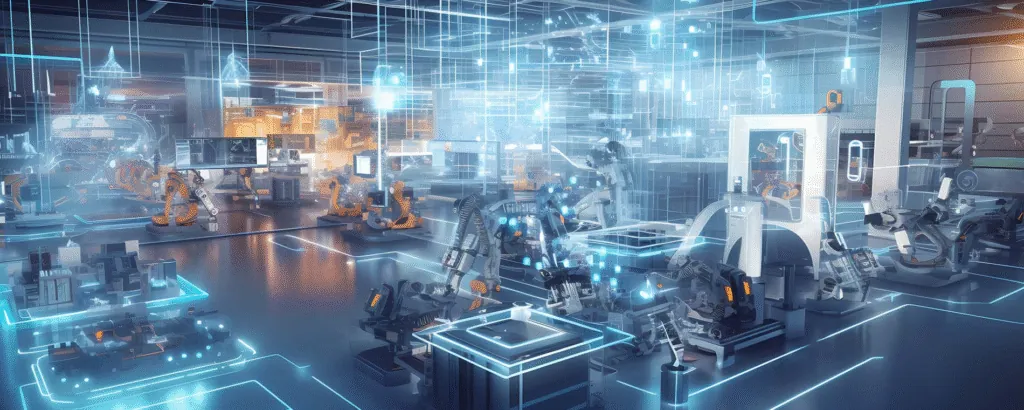
Applications of digital twins in the industrial sector
- Production lines: Monitoring efficiency, optimizing material flow, managing energy.
- Machines and equipment: Predictive maintenance of CNC machines, robots, pumps, compressors and other industrial assets.
- Asset management: A complete overview of the state and performance of all assets in a factory.
- Supply chain management: Simulations to optimize logistics and warehousing.
- Quality control: Monitoring the parameters that affect product quality, with early warning of deviations.
- Energy management: Optimizing energy consumption at machine, line or whole-factory level.
The future is digital: An investment in innovation
Digital twins aren't just a technology. They're a strategic investment in the future of industry. These twins provide unprecedented remote monitoring. They also offer precise control. And they deliver deep insights into processes. This is vital for every modern factory.
Factories thinking about Industry 4.0 have an option. Deploying digital twins is a logical step. It's also a very rewarding one. This technology helps companies. They don't just react to change. They actively shape it. This is how they achieve sustainable competitiveness. Operational efficiency also rises significantly.
On the Artec Robotics “News” page you will find a variety of articles and guides on robotics and automation. Here you'll find useful information about the latest technologies, software solutions and programs. They will help you dive deeper into the world of industrial robots and automated systems.
Follow the news from Artec Robotics!
MAKE AN INQUIRY