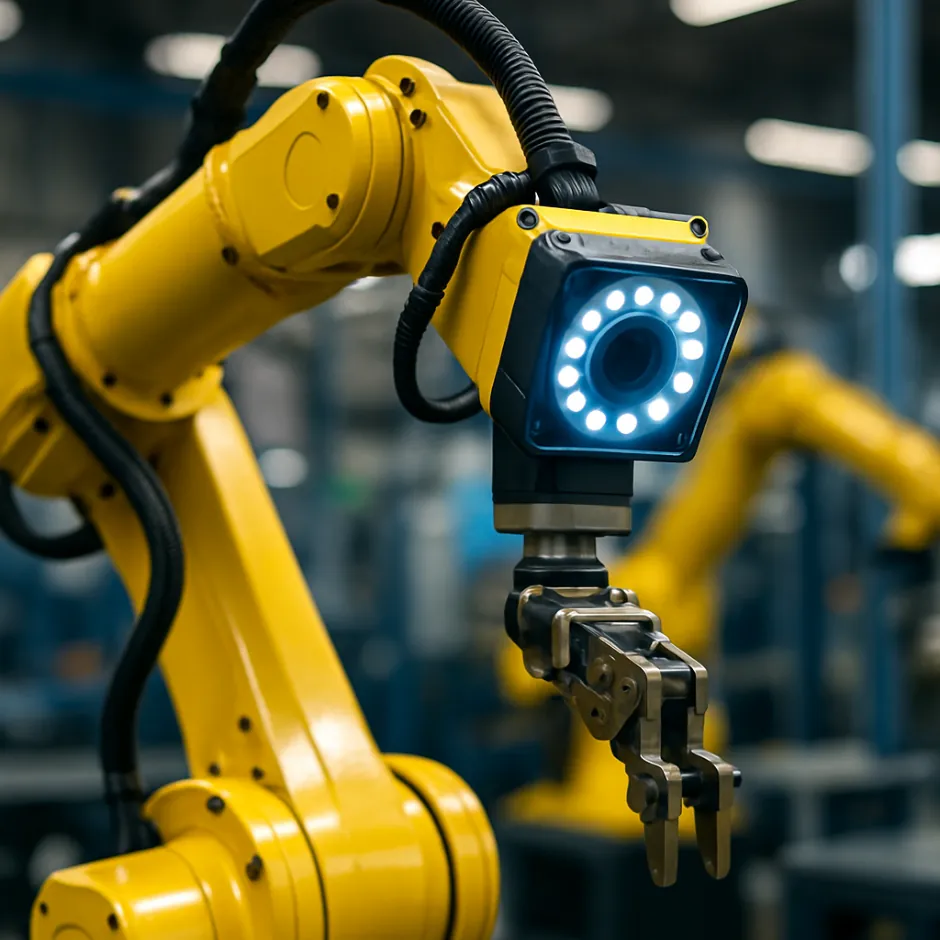
How artificial intelligence and computer vision are transforming industrial robotics and bringing a new era of precision and autonomy.
Industrial robotics is constantly evolving. Today it's smarter than ever. At the heart of this transformation are two key technologies: artificial intelligence (AI) and machine vision. They don't just complement robots. They give them “eyes” to see and a “brain” to think. This leads to unprecedented precision and autonomy.
What is machine vision?
Machine vision lets computers “see”. Specialized cameras capture images. Software then analyzes them. It extracts information about objects and the environment. This technology is vital for modern robots. It enables them to perceive the world around them.
The role of artificial intelligence
Artificial intelligence is the “brain” of the system. AI algorithms process the data from machine vision. They make intelligent decisions. The systems learn from experience. They become more efficient over time. AI allows robots to adapt. They can cope with unpredictable situations.
Revolutionary applications in industry
- Recognizing objects and defects
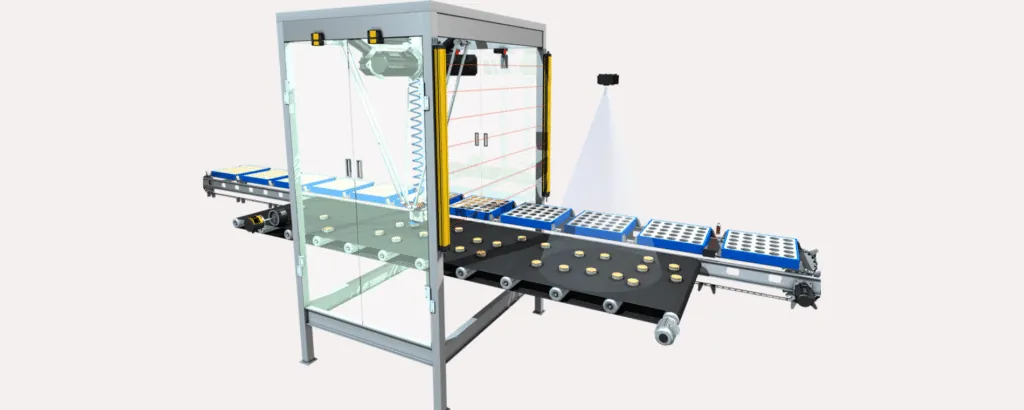
One of the main applications is object recognition. Robots can identify different parts. They sort them quickly and accurately. Machine vision also detects defects. The systems inspect products. They find cracks, scratches or errors. This guarantees consistently high quality.
For example, in the automotive industry, a robot with vision checks surfaces. It looks for even the smallest imperfections.
- Guiding robots without prior programming
Traditional robots need precise programming. AI and machine vision change this. Robots can “see” the part. They guide themselves. There's no need for complex programming. This saves time and resources. Production flexibility increases dramatically. For example, a painting robot can scan a complex shape. It automatically adapts its path.
- Real-time quality control
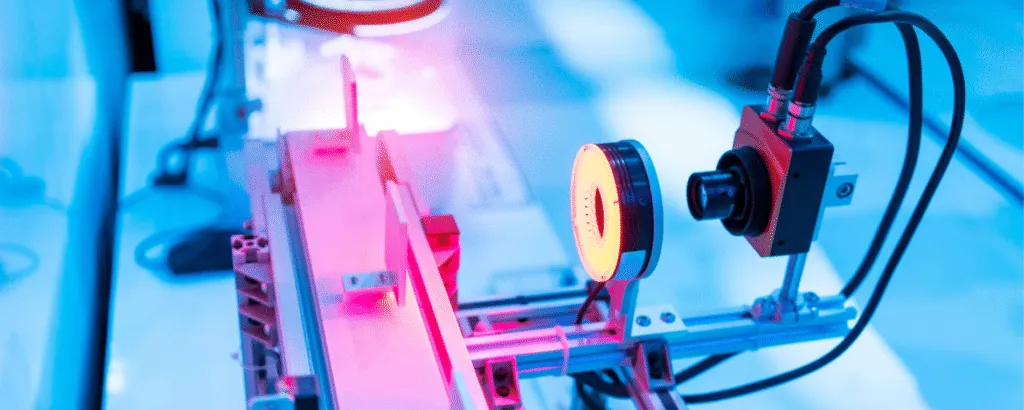
Quality control is critical. Machine vision provides real-time inspection. Defects are detected immediately. This prevents defective products from being made. Materials and energy are saved. It eliminates the need for human inspection. Human errors are reduced to a minimum.
In electronics manufacturing, for example, robots check solder joints. They look for microscopic defects.
- Process optimization through self-learning
AI enables systems to learn on their own. Robots analyze data from their own actions. They optimize the workflow. They can improve speed. They can reduce energy consumption. The result is a constant increase in efficiency. The systems keep getting better over time.
The benefits for industry
Deploying AI and machine vision brings many benefits. The precision of processes increases. Errors fall significantly. Productivity shoots up. The working environment becomes safer. These technologies are the key to Industry 5.0. They help Artec Robotics deliver innovative solutions. We create the “eyes” and “brains” for your automation.
On the Artec Robotics “News” page you will find a variety of articles and guides on robotics and automation. Here you'll find useful information about the latest technologies, software solutions and programs. They will help you dive deeper into the world of industrial robots and automated systems.
Follow the news from Artec Robotics!
MAKE AN INQUIRY